Expanding What’s Possible: What I’ve Learned About Employment, Access, and Ability
When conversations turn to employment for individuals who are blind or vision-impaired, the data tells a story that deserves more attention.
In the United States, national data consistently shows that nearly 70% of working-age adults who are blind or have significant vision impairment are unemployed or underemployed. Those who are employed often face lower wages, narrower roles, and fewer opportunities for advancement—not because of lack of talent or motivation, but because many systems were never designed with accessibility in mind.
This is not a capability gap.
It is an opportunity gap.
What I’ve Learned Through the Work
My understanding of this challenge did not begin with a board appointment. It began through the work itself—and through learners.
Over the past two years, Founders Mark has had the opportunity to partner with the Virginia Department for the Blind and Vision Impaired (DBVI) to deliver programming that builds durable, future-ready skills. Through this partnership, our programs were tested, reviewed, and approved by DBVI for accessibility, ensuring that learners who are blind or vision-impaired could fully participate, contribute, and lead.
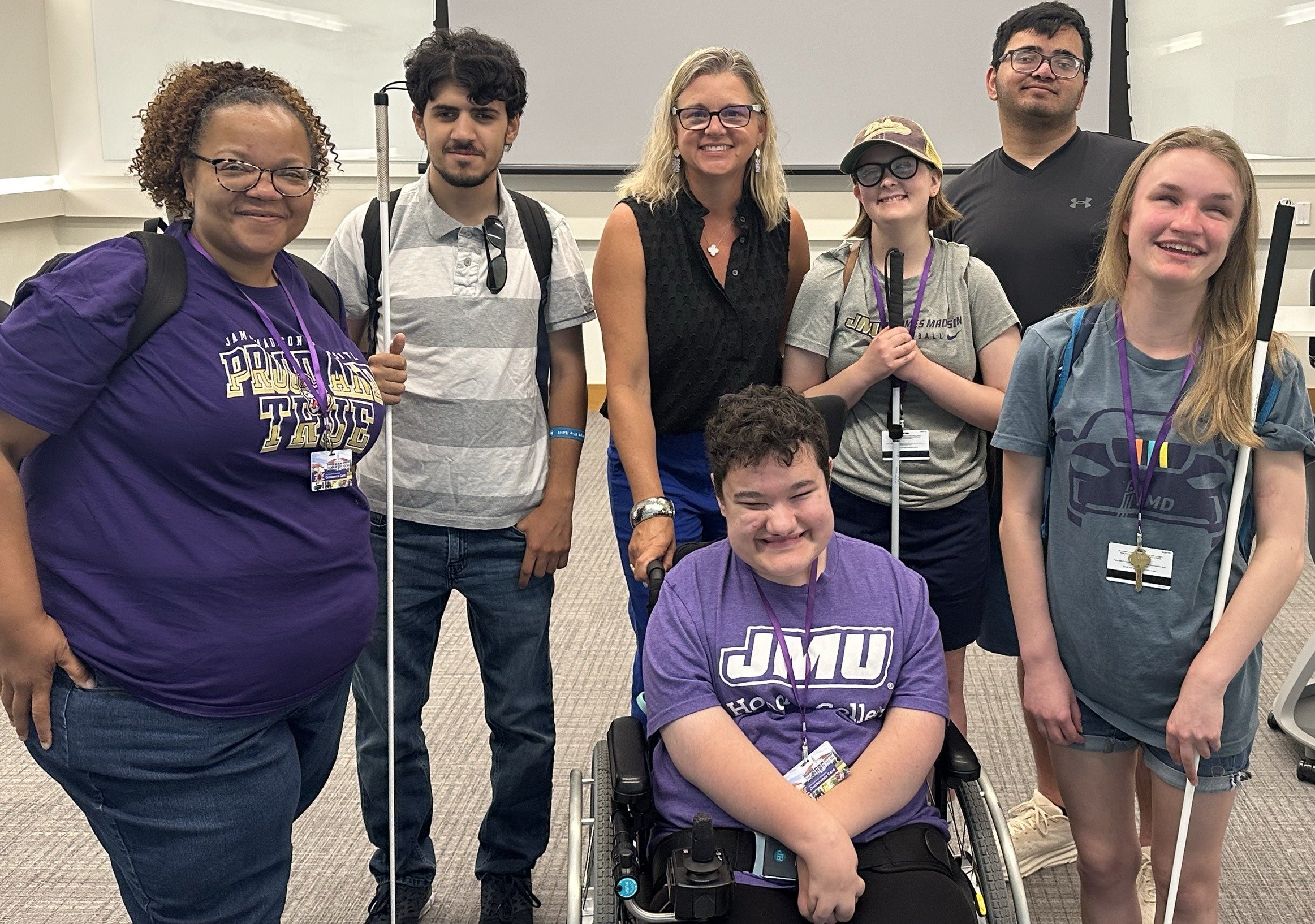
Our focus has been on skills that matter across all pathways:
problem solving, grit, economic thinking, collaboration, leadership, and creativity.
That process—working alongside DBVI professionals and learning directly from participants—deepened our understanding of what accessibility truly means. Not as a compliance exercise, but as a commitment to designing experiences where people are expected to think, build, lead, and contribute.
It was through this work—and through learners themselves—that I gained greater exposure to both the needs and the remarkable gifts of blind and vision-impaired individuals.
Jesah’s Story
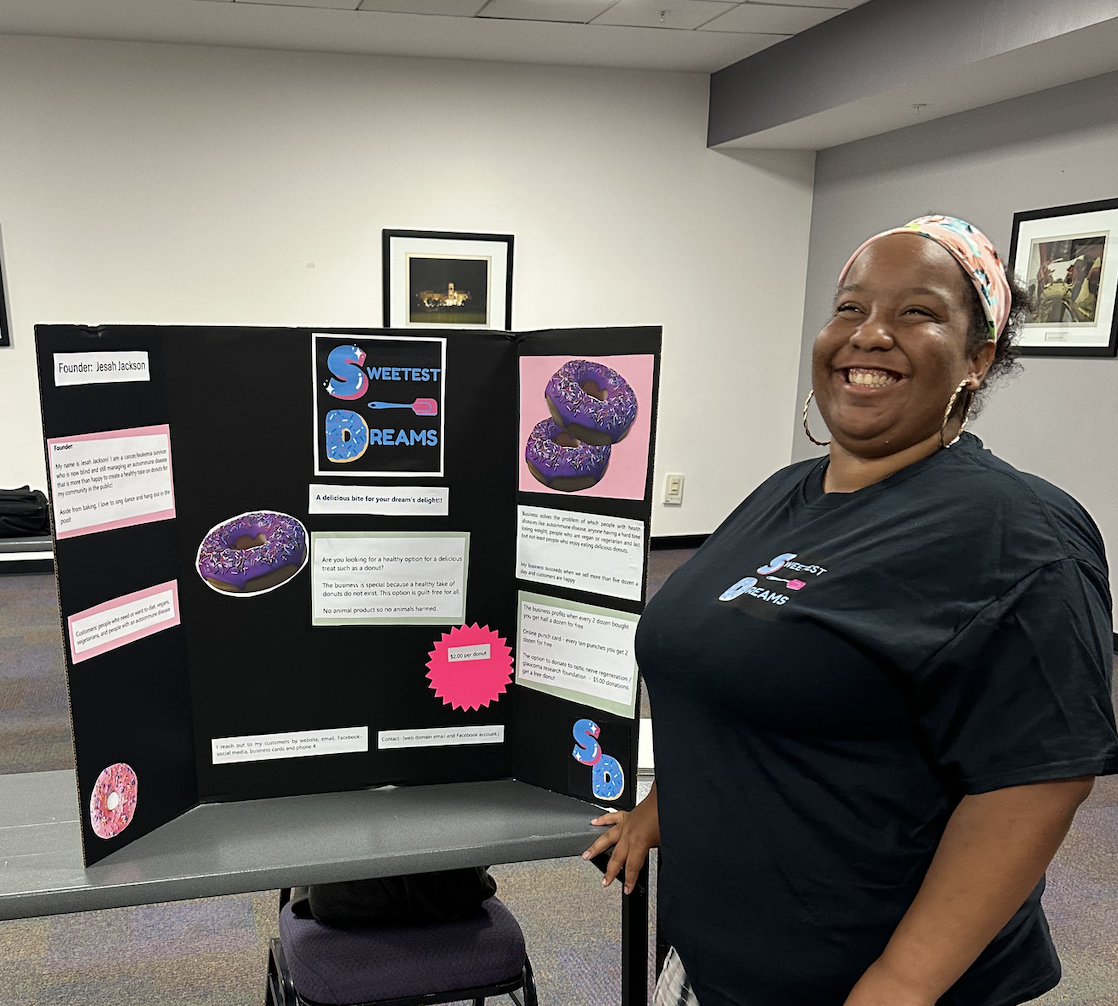

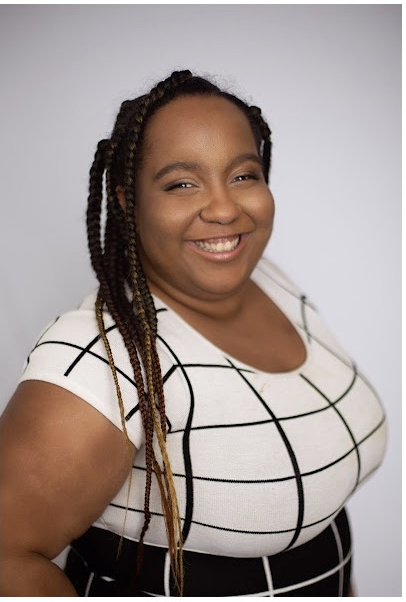
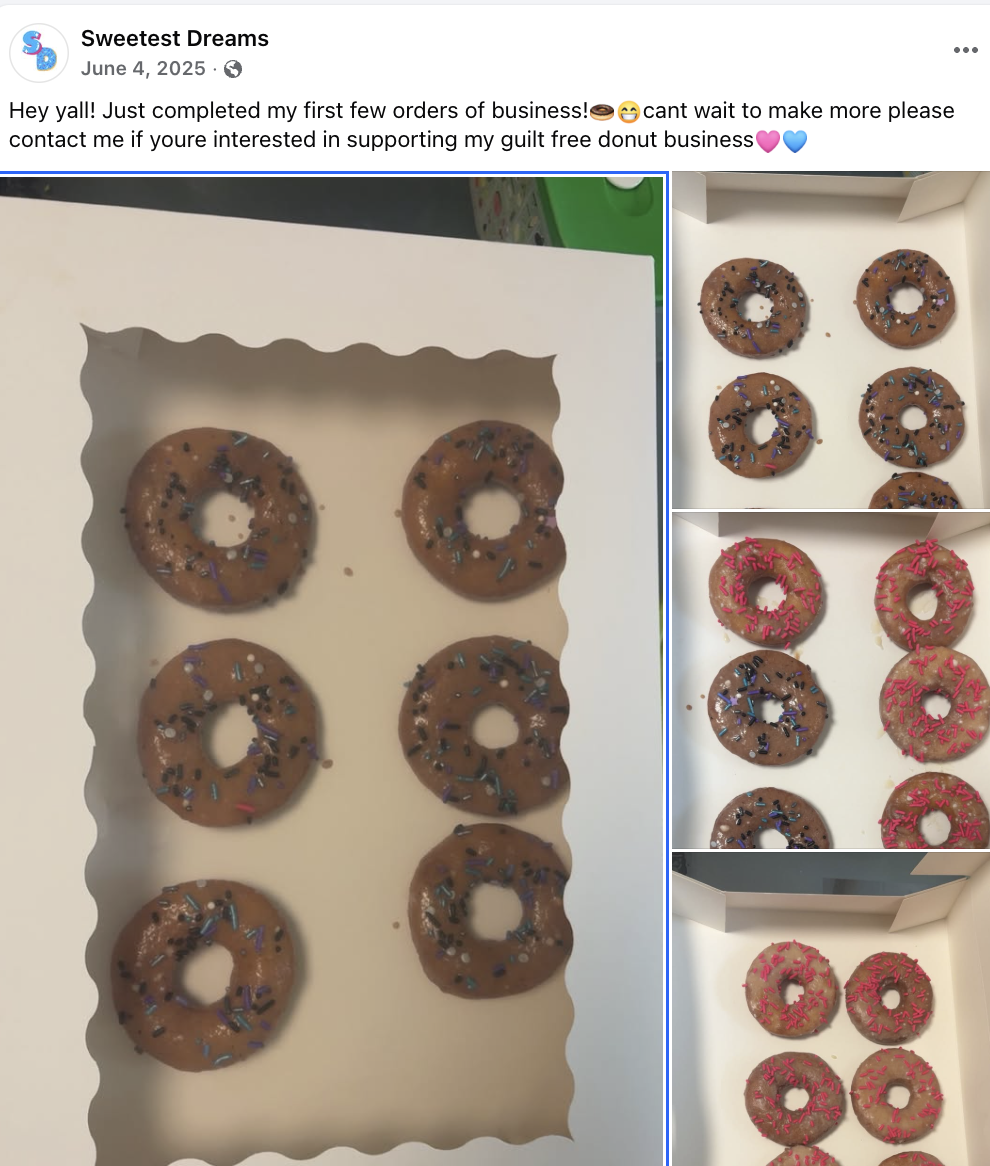
One learner, Jesah, came into the program with a challenge many people can relate to: dietary constraints that made it difficult to enjoy everyday treats.
Instead of accepting that limitation, she got curious.
Jesah began experimenting with donut recipes to create a version she could safely enjoy. What she didn’t expect was what came next—others wanted them too. What started as a personal solution became something people valued and shared.
Jesah didn’t just develop a donut recipe.
She practiced problem solving, applied economic thinking, built confidence, and experienced what it feels like to turn lived experience into contribution.
Her story is not really about donuts.
It’s about what happens when learners are trusted with opportunity.
Entrepreneurship is one powerful pathway—but not the only one. The deeper lesson is that when access exists, individuals who are blind or vision-impaired can thrive across industries and roles.
Why This Matters Beyond Entrepreneurship
Not every learner wants to start a business. But every learner deserves:
Access to meaningful skill development
Exposure to a wide range of career possibilities
Employers willing to rethink assumptions about capability
Systems that are designed for inclusion from the start
When environments are accessible, individuals who are blind or vision-impaired succeed in education, healthcare, technology, public service, creative industries, and beyond.
Expanding opportunity does not lower standards.
It raises expectations—and outcomes.
A Role I Hold With Humility
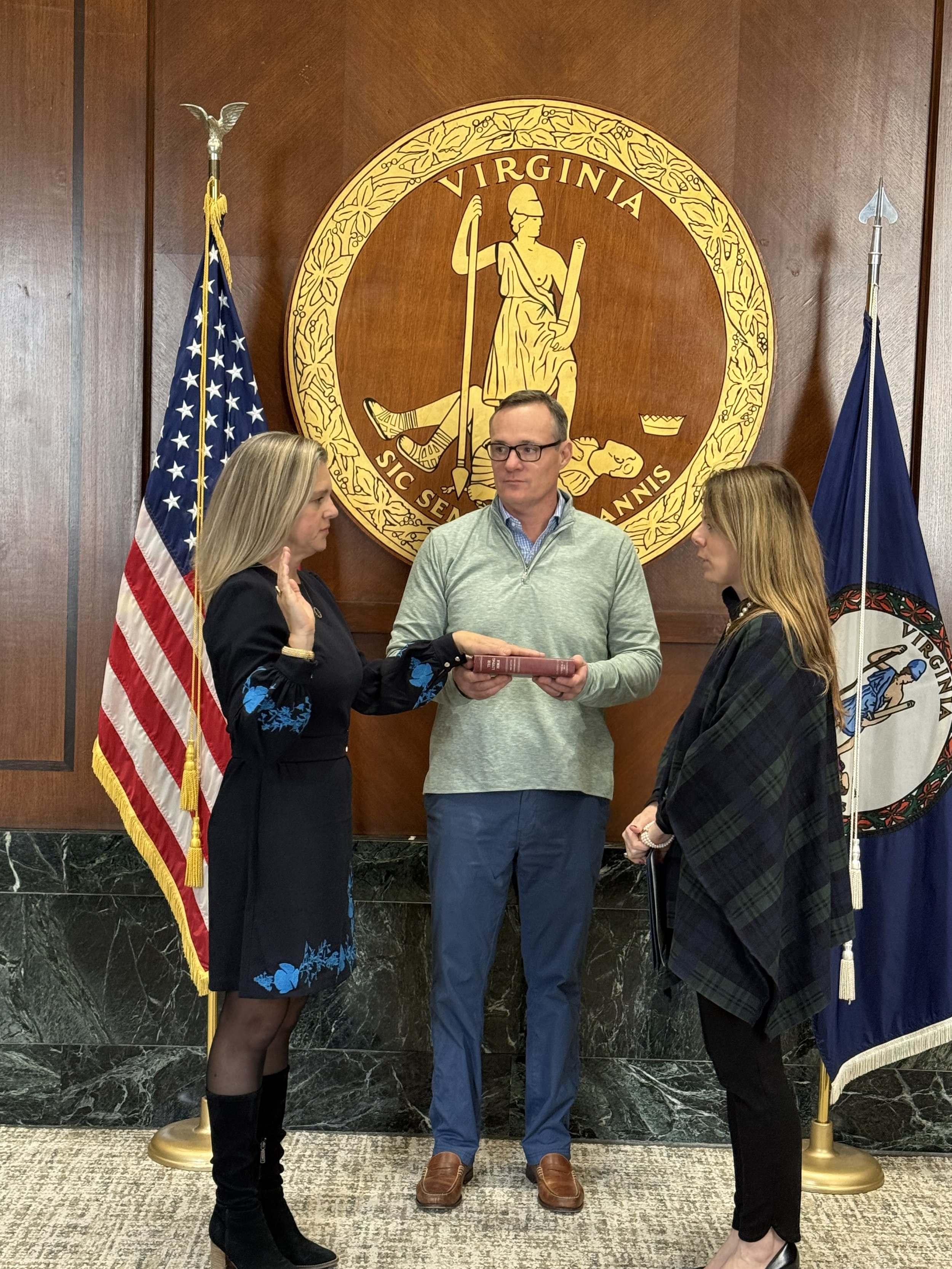
It is through these experiences—listening, learning, and witnessing what becomes possible when access is intentional—that I was honored to be appointed by Glenn Youngkin to serve on the Advisory Board for the State Rehabilitation Council for the Blind and Vision Impaired.
This role is separate from our program partnership. My goal is to dedicate my time to being a thoughtful champion, an engaged listener, and a strong supporter of the Council’s mission.
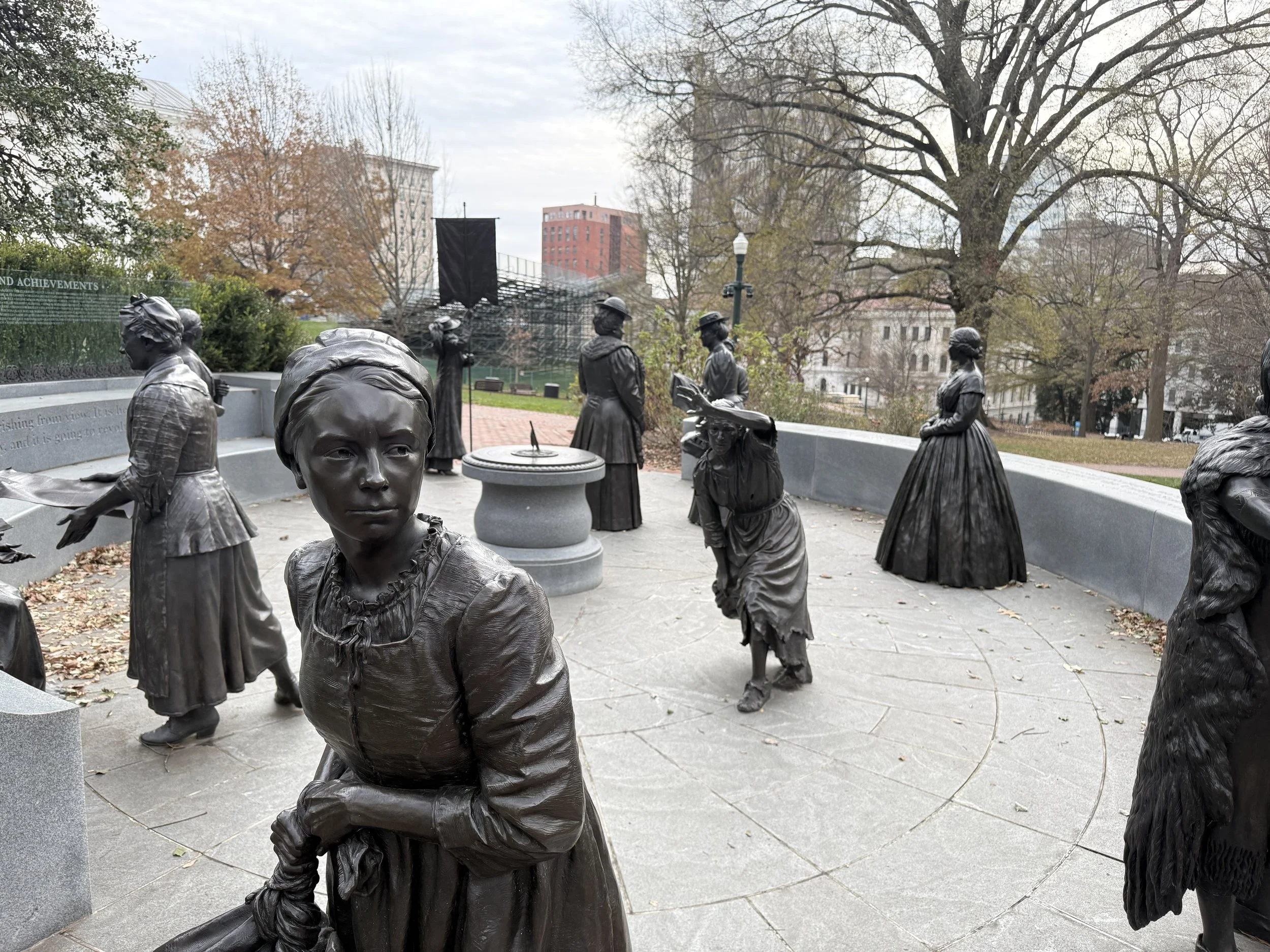
After the oath, we walked past the Virginia Women’s Monument—a quiet reminder that progress is built by people who step forward to serve, often without fanfare, always with intention.
I am humbled by the appointment and deeply aware of the responsibility it carries.
Moving Forward Together
Expanding employment and opportunity for individuals who are blind or vision-impaired is not the work of one organization or one pathway.
It requires educators, employers, policymakers, and community members willing to design for access, challenge assumptions, and recognize ability.
When we do that, we don’t just improve employment statistics.
We unlock contribution, dignity, and possibility.
Grateful for the learning.
Honored to serve.
Committed to the work ahead. 💙