Youth Entrepreneurship in Action: How Founders Mark Builds Durable Skills for Life
What happens when young people are trusted to lead, create, and solve real problems?
At Founders Mark, everything begins with listening. Across schools and community organizations, learners consistently tell us they want real-world skills, hands-on experiences, and opportunities to work with others to create meaningful change.
These aspirations map directly to the durable skills young people need to thrive: grit, creativity, leadership, problem-solving, economic thinking, and collaboration.
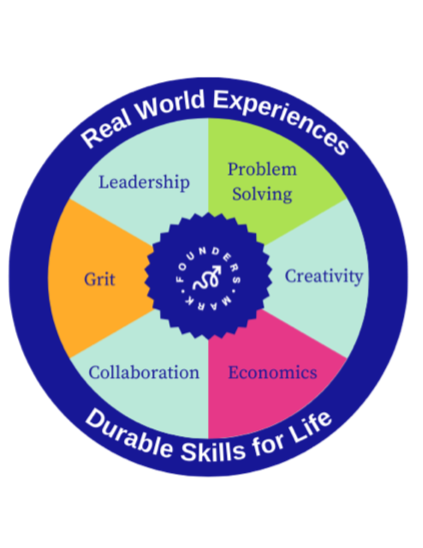
Durable Skills Wheel
What Students Want to Learn: Skills That Matter in the Real World
Before programs begin, learners are clear about what they hope to gain. They’re thinking beyond school assignments and toward future careers, community impact, and personal growth.
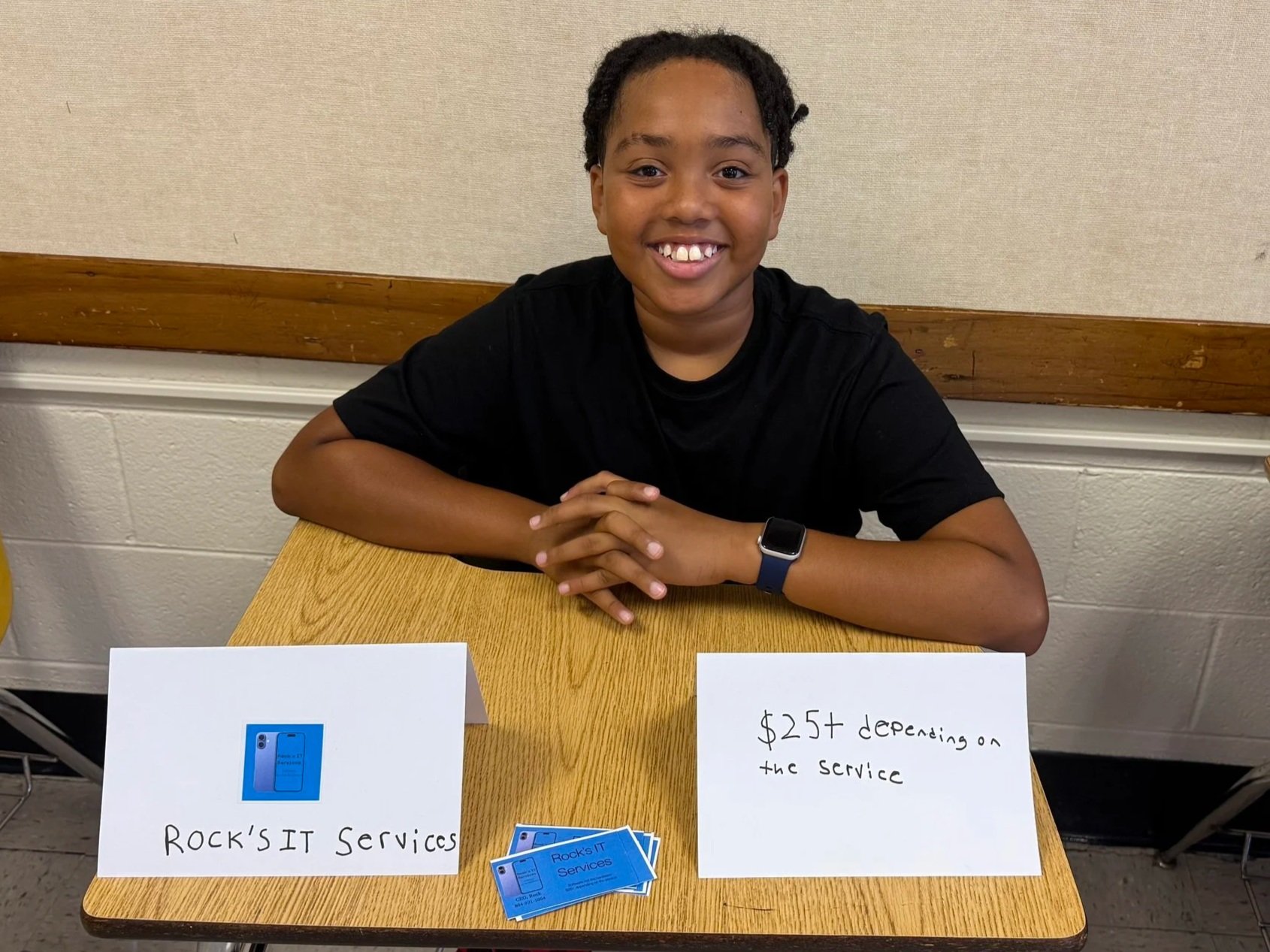
“I want to learn how to be a better businesswoman when it comes to communication.”
“How to make or invest in a business.”
“How I can possibly come up with a business product.”
Others focus on collaboration and growth:
“How to work with more people.”
This curiosity and motivation form the foundation of every Founders Mark experience.
Learning by Doing: Building Grit, Problem Solving, and Economic Thinking
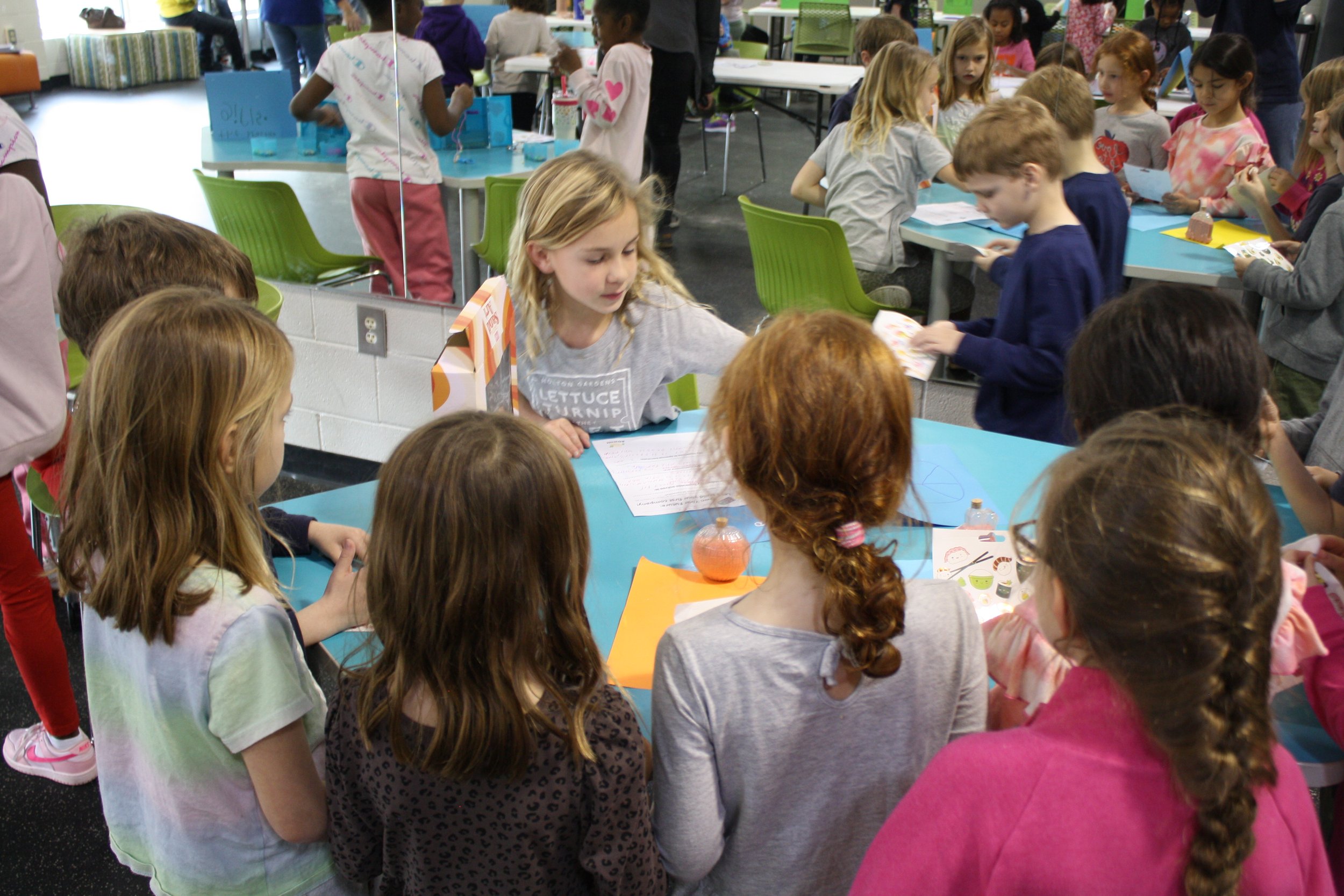
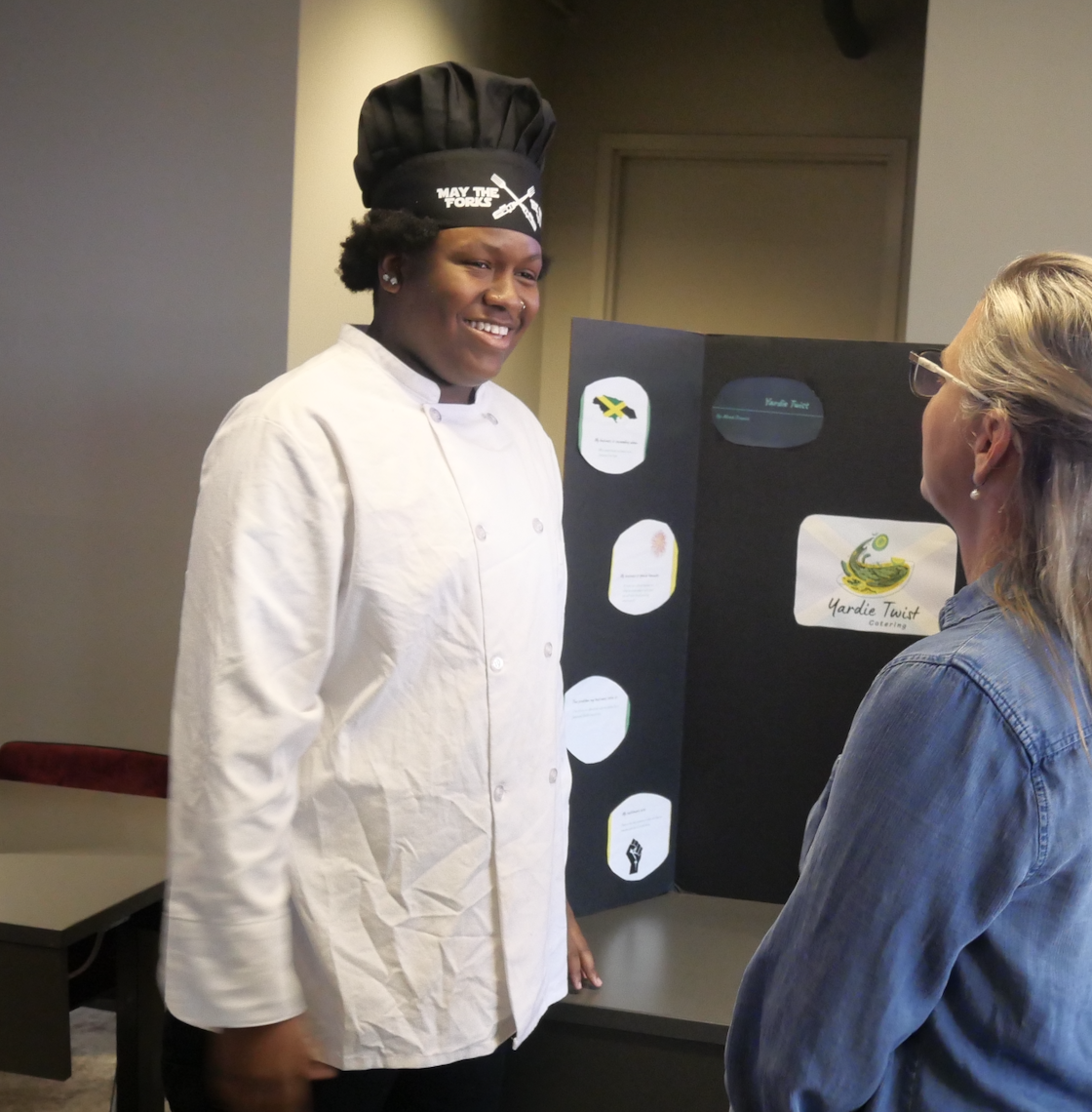
In Founders Mark programs, youth don’t just talk about ideas — they build them. Learners design projects, make decisions, test solutions, and adapt when things don’t go as planned.
“This was very exciting and helpful with my business plan.”
“I loved it and learned new skills.”
Through real-world challenges, learners develop grit and perseverance:
“If you want a business, you have to work hard for what you need to accomplish.”
“Starting a business takes a lot of hard work and dedication.”
They also build economic awareness and problem-solving skills:
“Make your business affordable, it's best for you!”
“I learned that starting a business is as much about continuous learning as it is about applying what you know.”
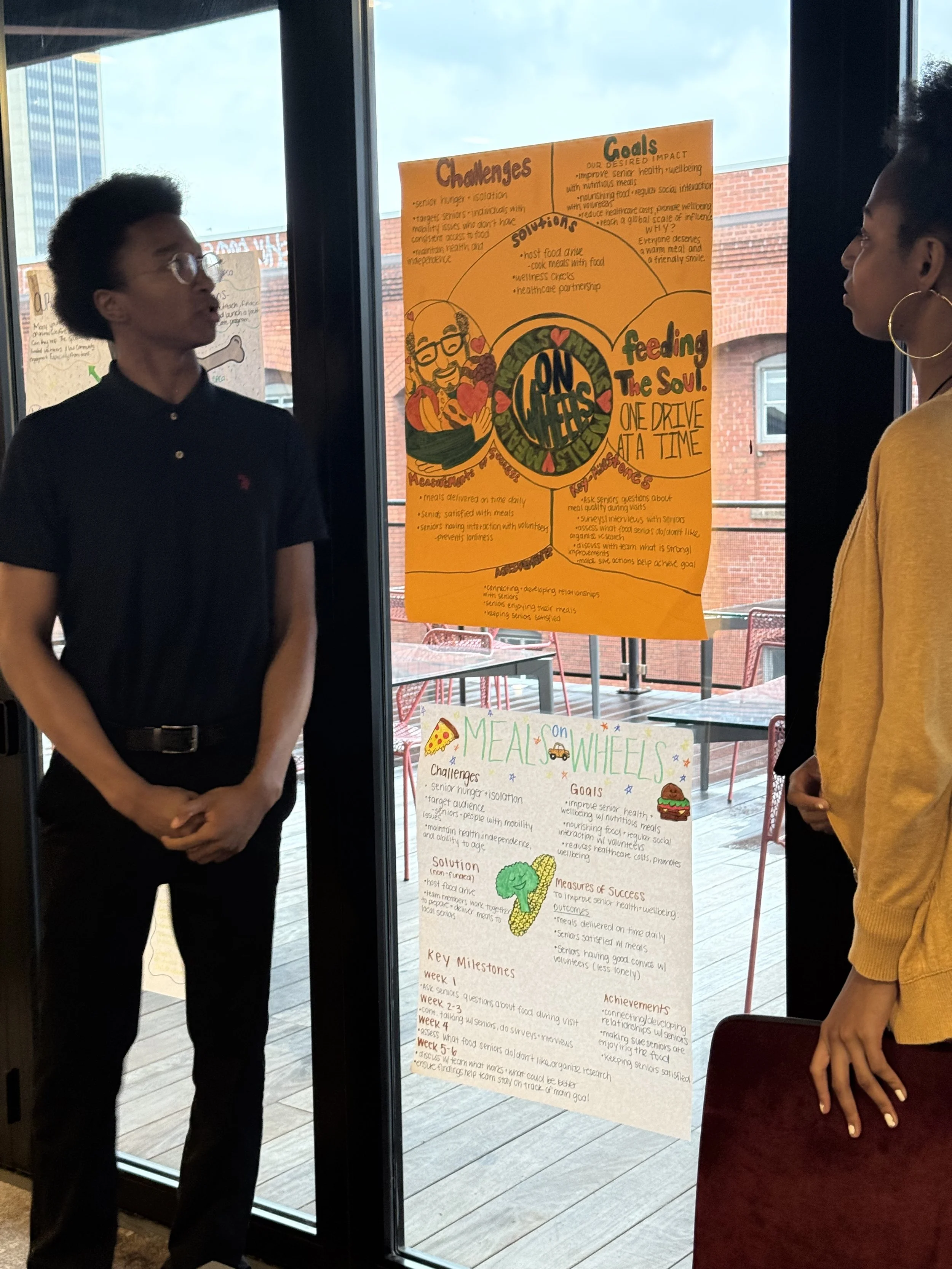
Leadership, Planning, and Collaboration in Action
Entrepreneurship becomes a powerful pathway to leadership — not through titles, but through responsibility, planning, and teamwork.
“I learned better leadership skills, time management, and how to plan. I’ve utilized those tools to help plan meetings, town halls, community events, field trips, and now a peer mentoring group at school.”
Collaboration plays a central role in this growth:
“I like that we all had to work together, like a team.”
“Hearing everyone’s opinion.”
For many learners, leadership is a new identity:
“I have learned a lot about how to be a leader.”
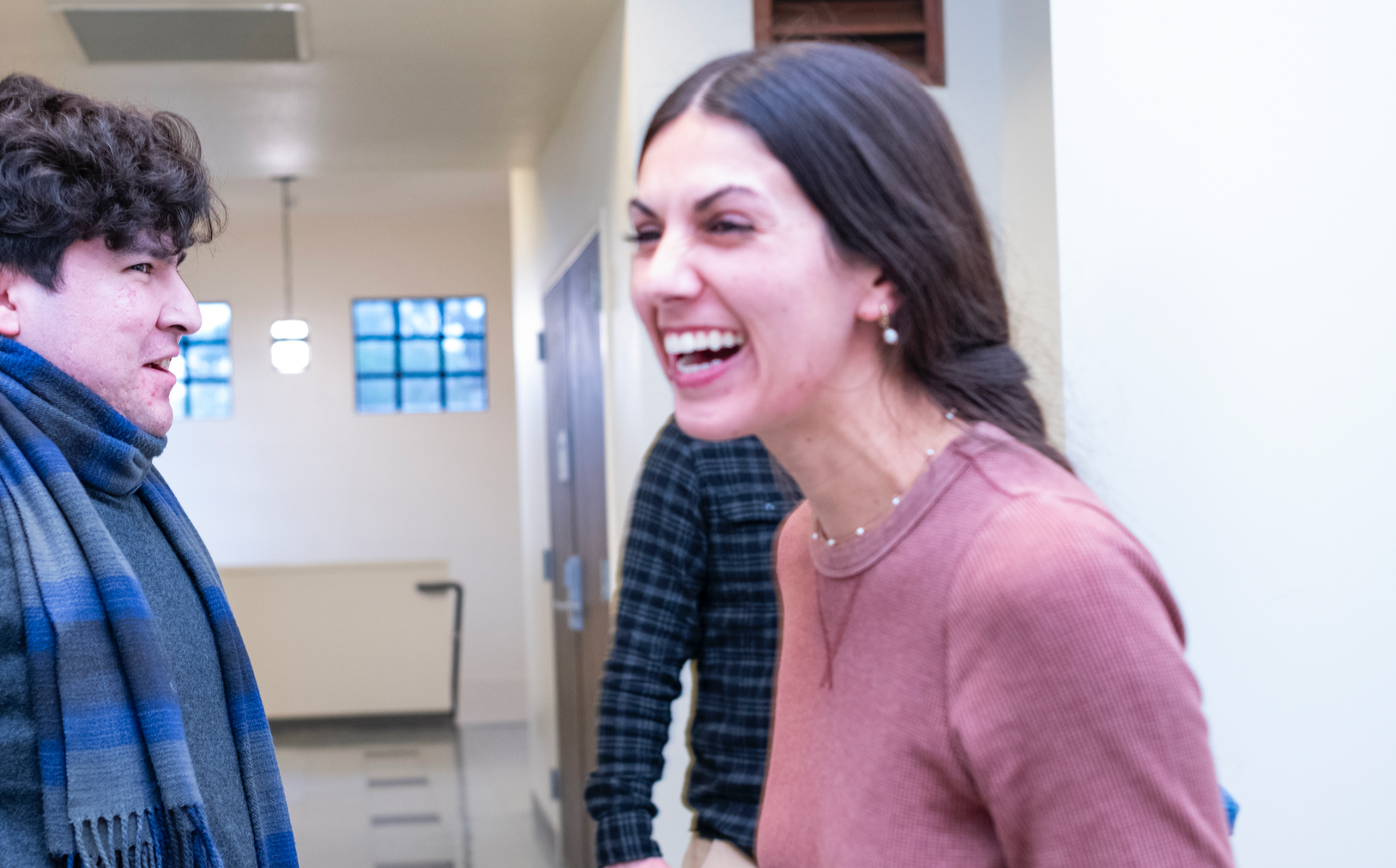
Skills That Transfer to Careers, Community, and the Future
Perhaps the strongest indicator of impact is how learners describe using these skills in the next several years — well beyond the program itself.
“They will help me have the confidence to lead and get jobs that can improve my skill set.”
“I will add my time with this program to my résumé, which will boost my likelihood of getting jobs in the future.”
Learners connect durable skills directly to career pathways:
“In my nursing career.”
“I will use these skills to improve my ability to teach and work with students.”
“I will continue to work in my field, providing a quality service and applying both leadership and teamwork skills to move past obstacles.”
Others focus on service and community impact:
“To continue working in the community and expanding my network.”
“I will use the skills I developed to communicate with those in need and to assist in projects.”
“To continue to serve my community.”
And some describe the impact in everyday life:
“I will start a garden at my house, and I will volunteer in the community.”
“By being my best self.”

Why Youth Entrepreneurship and Durable Skills Matter
Today’s world demands more than academic knowledge. Young people need opportunities to practice leadership, collaboration, creativity, problem solving, professionalism, and perseverance — skills that carry across careers, education pathways, and civic life.
By centering youth voice and real-world experiences, Founders Mark helps learners build skills they can apply now, next year, and well into the future.
When young people are trusted to lead, they don’t just prepare for what’s next — they actively shape it.